Regional News
Accountability Arrives: Four Guards Sentenced for Death of Robert Brooks
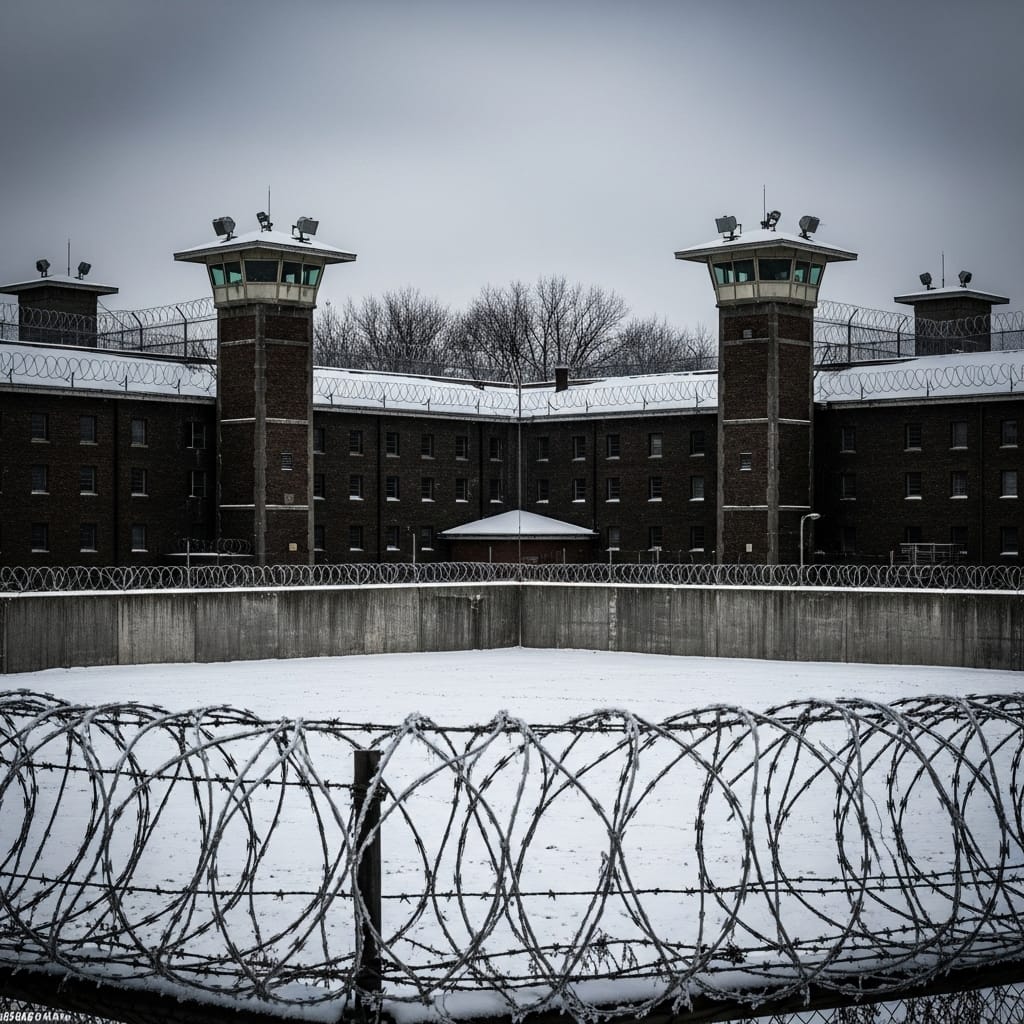
On Friday, November 21, 2025, justice took a firm step forward in Oneida County as four prison guards received prison sentences for the brutal beating death of Robert Brooks. The incident, which took place at the Marcy Correctional Facility in December 2024, shocked the nation and reignited urgent conversations about how we treat incarcerated people in America. While the sentencing cannot bring Mr. Brooks back, it sends a powerful message that a badge is not a license to act above the law.
This case stands out not just for the severity of the crime, but for the undeniable evidence that secured the convictions. For years, stories of violence behind prison walls have been dismissed as hearsay. However, in this instance, bodycam videos provided a clear, unblinking eye on the truth. This footage stripped away any potential for denial, forcing the court—and the public—to confront the grim reality of what happened to Robert Brooks.
The Verdict and the Victims
The courtroom was tense as the judge read the sentences. The four guards, whose sworn duty was to maintain order and safety, were held accountable for doing the exact opposite. For the family of Robert Brooks, a Black man whose life was cut short while in state custody, Friday’s decision offers a measure of closure, though the pain of their loss remains.
" accountability is the first step toward healing," legal analysts noted following the proceedings. "But it is rare to see corrections officers face prison time for actions taken on the job. This verdict signals a shift in how we view state-sanctioned violence."
The specifics of the sentences reflect the severity of the assault. By handing down prison terms, the court acknowledged that the death of an incarcerated person is a crime just as heinous as one committed on the outside. It reinforces the principle that human rights do not stop at the prison gate.
The Night at Marcy Correctional Facility
To understand the weight of this sentencing, we must look back to December 2024. Robert Brooks was an inmate at the Marcy Correctional Facility in New York. What should have been a routine interaction escalated into a fatal encounter.
Unlike many past cases involving inmate deaths, this incident was not left to the shadows. Bodycam footage played a pivotal role. The video evidence contradicted early reports that might have minimized the guards' aggression. Instead, the footage revealed a brutal beating that sparked immediate public outrage.
Community leaders and activists rallied around the Brooks family, demanding transparency. The visual evidence made it impossible for officials to sweep the incident under the rug. It highlighted a terrifying truth: without that camera footage, the narrative might have been very different. It raises a chilling question for us all: How many other stories like Robert Brooks' have gone untold simply because no camera was rolling?
A System in Need of Reform
While we acknowledge the justice served in this specific case, we must also zoom out to look at the bigger picture. The death of Robert Brooks is not an isolated event. It is a symptom of a corrections system that often struggles with a culture of violence and a lack of accountability.
The Role of Race and Power
We cannot ignore the racial dynamics at play. Robert Brooks was a Black man in a system where people of color are disproportionately incarcerated and often face harsher treatment. When authority figures abuse their power against marginalized individuals, it damages trust in the entire justice system.
This sentencing serves as a warning. It tells corrections officers across the country that excessive force has consequences. It also validates the fears of many families who have loved ones behind bars—fears that their safety depends entirely on the temperament of the guards on duty.
The Power of Public Scrutiny
The journey to this verdict was paved by public pressure. After the incident in 2024, protests and calls for reform kept the story in the headlines. Citizens refused to let the story of Robert Brooks fade away. This engagement matters. It proves that when the community pays attention, the gears of justice turn, however slowly.
We have seen similar patterns in policing on the streets, where video evidence has led to convictions in high-profile cases. Now, we are seeing that same accountability reach into the prison system. It is a slow evolution, but a necessary one.
Moving Forward
The sentencing of these four guards is a victory for the rule of law, but the work is far from finished. We must push for broader systemic changes to ensure that Marcy Correctional Facility—and prisons everywhere—are safe environments. This includes:
- Mandatory Bodycams: Ensuring all interactions are recorded.
- Better Training: Teaching de-escalation techniques to officers.
- Independent Oversight: Creating external bodies to investigate complaints without bias.
As we reflect on this verdict, let us remember Robert Brooks. Let his legacy be one of change. Justice was served on Friday, but true justice will be achieved when we no longer have to rely on viral videos to hold public servants accountable.
The outcome in Oneida County is a start. It is now up to us, the public, to keep the pressure on lawmakers and officials. We must demand a system that rehabilitates rather than harms, and protects rather than punishes with brutality. The sentencing is done, but the mission for a fair and humane justice system continues.